

Article Details
Reading makes all other learning possible. Check back often for a selection of interesting and relevant books and publications, curated by the IEEE Life Members Committee (ILMC).
Archived from April 2023

Geniuses at War: Bletchley Park, Colossus, and the Dawn of the Digital Age
David A. Price
View Description
Geniuses at War: Bletchley Park, Colossus, and the Dawn of the Digital Age
David A. Price
The dramatic, untold story of the brilliant team whose feats of innovation and engineering created the world’s first digital electronic computer—decrypting the Nazis’ toughest code, helping bring an end to WWII, and ushering in the information age.

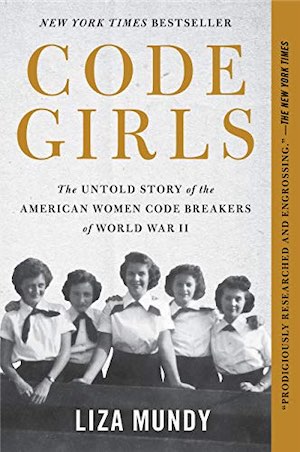
Code Girls
Liza Mundy
Recruited by the U.S. Army and Navy from small towns and elite colleges, more than ten thousand women served as codebreakers during World War II. While their brothers and boyfriends took up arms, these women moved to Washington and learned the meticulous work of code-breaking. Their efforts shortened the war, saved countless lives, and gave them access to careers previously denied to them. A strict vow of secrecy nearly erased their efforts from history; now, through dazzling research and interviews with surviving code girls, bestselling author Liza Mundy brings to life this riveting and vital story of American courage, service, and scientific accomplishment.

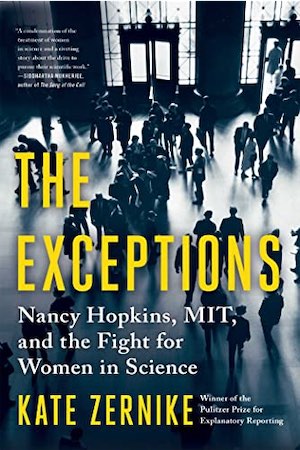
The Exceptions
Kate Zernike
From the Pulitzer Prize-winning journalist who broke the story, the inspiring account of the sixteen female scientists who forced MIT to publicly admit it had been discriminating against its female faculty for years—sparking a nationwide reckoning with the pervasive sexism in science.

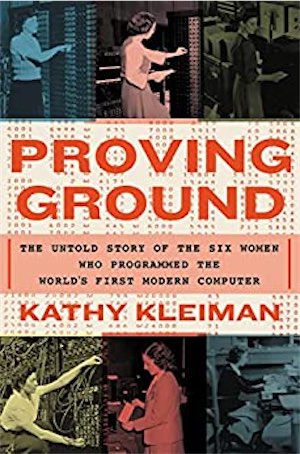
Proving Ground
Kathy Kleiman
After the end of World War II, the race for technological supremacy sped on. Top-secret research into ballistics and computing, begun during the war to aid those on the front lines, continued across the United States as engineers and programmers rushed to complete their confidential assignments. Among them were six pioneering women, tasked with figuring out how to program the world’s first general-purpose, programmable, all-electronic computer—better known as the ENIAC—even though there were no instruction codes or programming languages in existence. While most students of computer history are aware of this innovative machine, the great contributions of the women who programmed it were never told—until now.

Carbon Queen
Maia Weinstock
As a girl in New York City in the 1940s, Mildred “Millie” Dresselhaus was taught that there were only three career options open to women: secretary, nurse, or teacher. But sneaking into museums, purchasing three-cent copies of National Geographic, and devouring books on the history of science ignited in Dresselhaus (1930-2017) a passion for inquiry. In Carbon Queen, science writer Maia Weinstock describes how, with curiosity and drive, Dresselhaus defied expectations and forged a career as a pioneering scientist and engineer. Dresselhaus made highly influential discoveries about the properties of carbon and other materials and helped reshape our world in countless ways—from electronics to aviation to medicine to energy. She was also a trailblazer for women in STEM and a beloved educator, mentor, and colleague.
Have you read something good lately? Submit the title, author, and why you think Life members should read it, and it may be featured it on this page. Send an email to [email protected].